
Proposed by Obliv
3-step combination treatment
Myofascial Pain Therapy / Radiofrequency Hyperthermia Therapy / Shockwave Therapy
Relaxation
Circulation
Play
Myofascial pain treatment is 'relaxation and alignment'.
High-frequency hyperthermia therapy is 'circulation'.
Shockwave therapy is 'regeneration'.
Key Strengths of Combination Therapy
Three-Part Self-Recovery Mechanism
Obliv combination therapy
Pain improves and the recovery maintenance period tends to be long
Helps the body recover on its own without relying on injections or medication
self-healing ability
Improves fundamental pain and
relaxation - circulation - regeneration management is also possible
Effects and Limitations by Treatment
Why Combination Therapy Is Needed Rather Than Single Treatment
By combining three different treatment methods, we aim to enhance the strengths of each treatment and compensate for the limitations of using them alone, thereby improving the overall efficiency of recovery management.
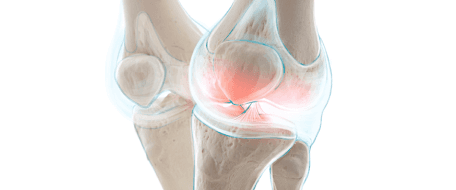
[Step 1] Relaxation
Myofascial Pain Treatment
Tense myofascial release,
joint alignment
[Step 2] Cycle
Radiofrequency hyperthermia therapy
Deep heat improves blood flow and
promotes metabolism
[Step 3] Play
Shockwave Therapy
Stimulating damaged cells,
tissue regeneration
Combination Therapy Key Expected Benefits
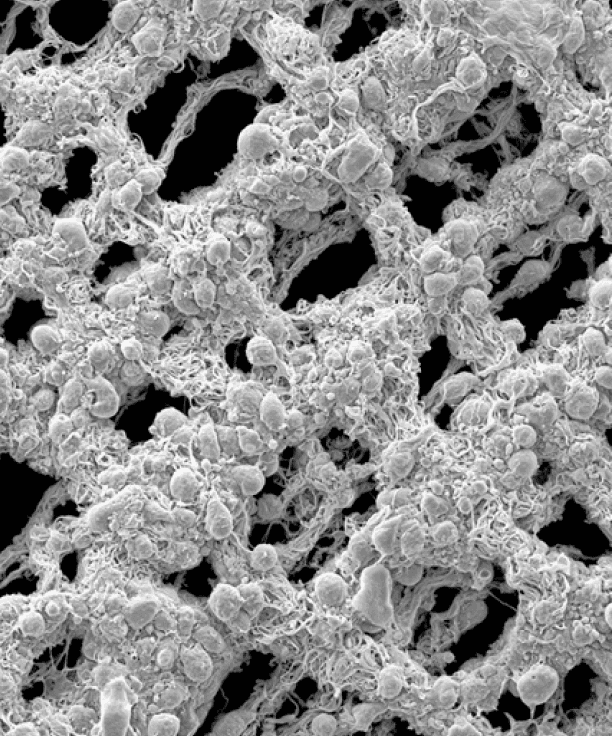
Promote regeneration
Induces cell regeneration by sending recovery signals to damaged areas
Improvement of calcification and inflammation
Effective for pain lasting more than 3 months, calcification, and inflammation
Fast recovery & long-lasting effect
Shorter treatment time, faster recovery. Long-lasting
Non-surgical, non-incisional treatment
Promote self-healing recovery without injections or surgery
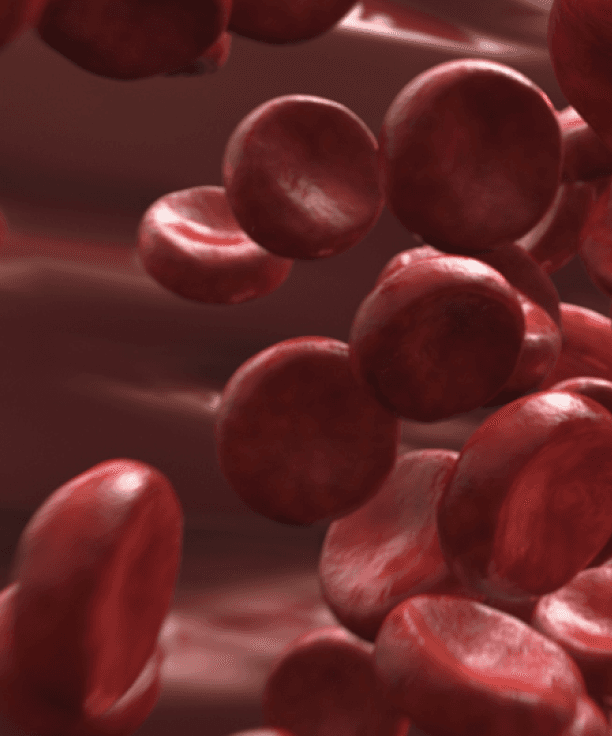
Improves blood flow & boosts metabolism
Improved blood flow, muscle function recovery, and reduced recurrence rate
Combination Therapy FAQ
Before the procedure,
we share your concerns and worries.
Is there any pain after the procedure?
Depending on the level of pain in the treatment area, you may feel some mild discomfort during treatment. However, the treatment time is not long, so most patients, including older adults, can undergo the procedure with little discomfort. In addition, if you experience any discomfort during the procedure, the treatment intensity can be adjusted in real time.
Are there any symptoms that appear after the treatment is over?
Most patients experience a reduction or disappearance of pain after treatment. However, some may feel throbbing at the treatment area and muscle soreness for about 2 to 4 hours after the procedure, but these symptoms are temporary and will naturally ease over time.
Are there any precautions after treatment?
For 48 hours after treatment, it is advisable to avoid strenuous physical activity and, in particular, refrain from overusing the treated area.